Tag: ak

Consequences of Drug Use (Toroa – Titan)

Hello readers,

This term for Health, we have been learning about Drugs. Consequences and types of drugs, whether it be illegal or completely legal. Prescribed or non prescribed and the risk of taking drugs.

Two drugs I am curious to learn about are LSD’s and Fentanyl.

These two drugs are illegal and non prescribed (Not given to by doctors). Five Consequences for using LSD’s:

  1. Extreme Changes in Mood, this relates to Taha Hinengaro (Mental & Emotional). The bliss or the high will feel good but this can change to terror at any moment. This is a negative consequence which can be ST (Short Term) 0-3 Months P. P = Personal. Because this is you taking it.
  2. Increase or Decrease Heart rate, this is in relation with Taha Tinana (Physical) this is because they heart is a physical thing which resides in your body. This is a negative consequence because it can be more harmful in the future if the substance abuse continues. ST = 0-3 Months. P = Personal.
  3. Body temperature is increasing or decreasing, this relates to Taha Tinana (Physical) because Physical can relate to your body or to what is inside of it. ST = 0-3 Months. P = Personal.
  4. Blurred Vision, this links in with Taha Tinana (Physical), Your eyes are apart of your body and you use them to look. ST = 0-3 Months. P = Personal.
  5. Loss of Appetite, this relates to Taha Tinana (Physical), because your hunger comes from the inside where your stomach is. This is Negative, ST 0-3 Months. P = Personal.

Five Consequences for using Fentanyl

  1. Poor physical coordination, this connects with Taha Tinana (Physical). This is a negative Consequence, ST 0-3 Months. P = Personal.
  2. Permanent damage to respiratory system, Taha Tinana (Physical). Negative, LT 3 months +. P = Personal.
  3. Depression, anxiety and mood swings, Taha Hinengaro (Mental and Emotional). Negative LT 3 months +. P = Personal.
  4. Suppressed immune system, Taha Tinana (Physical). Negative LT 3 Months + P = Personal
  5. Death, Taha Tinana (physical). Negative LT 3 Months + P = Personal.


(Toroa) Water Pong

Hello readers,


Questions and tasks Sentence starters (if needed )  
  • Explain what the activity was that you participated in
Today we played Water Pong

The way in which you play this game is you set up the cups and bounce the ball into the cup or throw it.

The main rules of this game are don’t cheat and be honest.


  • Explain how your Hauora was affected by participating in the activity

Your answer needs to include other key concepts (slide 2) and where possible interrelate areas of Hauora. 

When I participated in Water Pong my hauora was affected (positively/negatively). My Taha Tinana and Taha Wairua were impacted (positively/negatively) because me and my team lost. The wind kept moving the ball to the side.

During the game our strategy was to try and align our hands with the cups to make sure it would hit it. (Taha Wairua and Taha Tinana) and Interpersonal was fun because it greatly impacted my walls of Taha Whanau and Taha Hinengaro because my friends always make me laugh.

  • Explain how the values of social justice were/were not shown today. 

Social justice values:

Fairness  

Inclusiveness 

Non-discrimination

The social justice value of Fairness was shown/not shown when we were all trying our best and not moving our cups back or forth to make sure they couldn’t get it in.

Inclusiveness was shown when we all included our teammates and had a great time while playing.

Non – Discrimination we weren’t judging anyone by skill, race, gender or age we all including each other and that is a big part of the class.

  • Describe how the participation of individuals and groups can impact a class’s Hauora during an activity.  
I believe the participation of individuals and groups can impact a class’s Hauora by just playing this game this is because we all had a lot of fun while trying to win and everyone was really happy about this. 
  • Describe how all the Key Concepts (slide 2) interrelate. 
The Key Concepts interrelate by coming together as one, the few concepts we have are

Short term
Less than 3 months.

Long term
More than 3 months to forever.

Personal
Affecting an individual person.

Interpersonal
Relationships, or communication between people.

Societal
Affecting groups of people, cultures, organisations, and governments.

Influence
Something that has an effect on behaviour, attitudes or well-being.

Consequence
An effect/result due to an action.

Strategy
A plan of action to achieve a goal.

Hauora Wellbeing (5 areas)A state of being physically, emotionally, socially and spiritually healthy. Connection to the land (whenua).
Te Whare Tapa Whā
All 5 areas of hauora work together. These 5 areas interconnect. If one area is weak it will impact your entire wellbeing.

Social Justice
F- fairness
I- Inclusiveness
N- non discrimination

The thing with all of these is that they can affect anyone and closely relate with people.


(Toroa) Water Balloon Game

Hello readers,

Questions and tasks  
  • Explain what the activity was that you participated in
Today we played a Water balloon game

The way in which you play this game is you catch the water balloon without making it break, if it hits the floor and not broken it’s fine. If the balloon is broken you get a negative one point.

The main rules of this game are under arm and being a good sport.

  • Explain how your Hauora was affected by participating in the activity

Your answer needs to include other key concepts (slide 2) and where possible interrelate areas of Hauora. 

When I participated in the water balloon game my hauora was affected (positively). My Taha Tinana and Taha social were impacted (positive) because my friends were really funny during the game and catching it was good for my arm strength.

During the game our interpersonal relationship came out and we did a good job as a group to win (Taha Whanau, Social). Our strategy was simple and it was well thought out. (Taha Hinengaro, mental and emotional)

  • Explain how the values of social justice were/were not shown today. 

Social justice: fairness or inclusiveness and/or non-discrimination

The social justice value of fairness was shown when we all were honest about the points even if we had dropped it.

We included everyone in our group and so did the whole class even if we were a bit shy to talk to them.

We weren’t discriminative about anyone’s race, gender or age. Everyone in my team was amazing and I believe the whole class thought the same to their group.

  • Describe how the participation of individuals and groups can impact a class’s Hauora during an activity.  
I believe the participation of individuals and groups can impact a class’s Hauora by Taha Whanau = Social, this is because we all came together as a group to work together.
  • Describe how all the Key Concepts (slide 2) interrelate. 
The Key Concepts interrelate by coming together as one, the few concepts we have are

Short term
Less than 3 months.

Long term
More than 3 months to forever.

Personal
Affecting an individual person.

Interpersonal
Relationships, or communication between people.

Societal
Affecting groups of people, cultures, organisations, and governments.

Influence
Something that has an effect on behaviour, attitudes or well-being.

Consequence
An effect/result due to an action.

Strategy
A plan of action to achieve a goal.

Hauora Wellbeing (5 areas)A state of being physically, emotionally, socially and spiritually healthy. Connection to the land (whenua).
Te Whare Tapa Whā
All 5 areas of hauora work together. These 5 areas interconnect. If one area is weak it will impact your entire wellbeing.

Social Justice
F- fairness
I- Inclusiveness
N- non discrimination

The thing with all of these is that they can affect anyone and closely relate with people.


Animal Therapy

Hello readers,

In Health we have been learning about service and therapy animals. We have learned about so many things and ways service animals and therapy animals can help us. Autism (How it can be helped with Service animal, Gigi and Nate (A real story about a boy and his service animal)  ,Muscle Dystrophy (How it can be helped with a Service animal)

1. What is a service and therapy animal?  What are the similarities and differences between service and therapy animals.

A service animal is an animal trained to help their handler with everyday ta

sks they cannot complete due to a disability or mental instability.

A therapy animal is a trained animal to help comfort and provide safety. Usually they are used as emotional support and to help calm someone down.

The difference between the service and therapy animals is that Service animals are usually allowed anywhere while therapy animals aren’t. Service animals can really help their handler and benefit them more than therapy animals can due to the fact they can help with daily tasks while most therapy animals are comfort and for a sense of security.

2. What are the conditions that are eligible to qualify for a therapy/service animal in NZ?

There are many conditions that are eligible for a therapy or a service animal in NZ, like for a therapy animal if you were to have picked an emotional support therapy dog the conditions you may have to be able to acquire one would be: “from post-traumatic stress disorder to depression and anxiety issues.” – Therapy Dogs NZ.

For Service animals it could be anything from a physical disability to anaphylaxis and many more.

The laws around animal therapy is “Ill treatment or neglect of animals is a crime, and this is also defined in the Act. The Act contains provisions to prevent ill treatment and inadequate care of animals. It also regulates the use of traps and devices that have the potential to cause pain or distress to animals.” – Animal Welfare act

A service animal can help enhance all 4 dimensions of hauora by going on a walk with them (Taha Tinana), providing comfort and security (Taha Hinengaro), Being able to strengthen their values and beliefs getting more courage inside of their handler (Taha Wairua) and  Listening to their handler (Taha Whanau).

A therapy animal can help with supporting all 4 dimensions of hauora by being able to calm them down (Taha Hinengaro), providing comfort (Taha Hinengaro), Being able to strengthen their values and beliefs by getting courage inside of their handler (Taha Wairua) ,  going on walks with their handler (Taha Tinana) and Exercising with the handler (Taha Tinana)

The four most interesting things I have learned from this unit, 1. The amount of work that goes into training service animals and therapy animals. 2. The things a service animal can do for their handler. 3. How much a therapy animal can help someone recover from any condition they suffer with. 4. How many different kinds of therapy there are.

I found these points interesting because 1. a lot of work does go into training a service animal usually a very long time to get them adjusted to help their handler, depending on the type of animal this can vary and the same goes for a therapy animal. 

2. A service animal can help their handler with a lot of things, this video here where a service dog realises his handler is about to go into a medical episode so the dog grabs the pills to help assist them.

3. A story I had heard from someone who has a therapy dog during a visit to our school to show us a therapy and service dog talked to us about was when she talked about how her dog Penny was put next to an elderly person. At first they didn’t notice the owner of Penny at first but they noticed the dog and began to speak about their experiences back in their days.

4. Therapy Dogs, Therapy Cats, Therapy Horses,  Therapy Rabbits, Therapy Bird and Therapy Snake. There are many more kinds you can have but most of these are not allowed in New Zealand.

This is the end of my blog post.

If you have any questions or comments or feedback please leave them in the comment section. Thank you have a great rest of your day.


Positive impacts service animals have. (TITAN)

Hello readers,

For this unit during this stage of the term we have been learning about Service animals.

NGĀ MAHA/TASK


Questions I have/things I want to know Answers
How do service dogs help with Epilepsy Lying next to someone having a seizure to prevent an injury, preventing them from hitting their head on the ground.
What kind of training do service dogs go through? a service dog must be trained to perform work or specific tasks to assist with a disability.
How can a therapy dog help calm someone down? “Dogs can lower our blood pressure through touch and contact” – Therapy Dogs New Zealand.
How do service dogs help blind people? “helping them navigate situations or obstacles they normally would not be able to.” – Nationwide Pet Service.


What are the positive impacts that service and therapy animals have?

  • Cover all 4 areas of Hauora
  • Include short term (0-3 months) and long term (3 months onwards) impacts
  • Cover an attitude or value within your answer
Being able to calm the owner down – Taha Hinengaro (Mental and Emotional)
Listening to the owner – Taha Whanau (Social)ST & LT

Taking the owner to church – Taha Wairua (Spiritual) ST & LT

Walking the with the owner – Taha Tinana (Physical) ST & LT

Exercising with owner – Taha Tinana  (Physical) ST & LT

Dogs are friendly to others – Taha Whanau (Social) ST & LT

First meeting the dog being kind of nervous – Taha Hinengaro (Mental and Emotional) ST

Getting used to the dog as a companion – Taha Whanau (Social) ST

Going on outings with the dog – Taha Whanau (Social) ST & LT

Letting the dog do some of the chores – Taha Tinana (Physical) ST & LT
Having fun with the dog – Taha Hinengaro (Mental and Emotional) ST & LT.

Dog attitudes are positive and they are very obedient when trained well with a good owner who treat them well. Not just service dogs but Therapy dogs too, both are good listeners when it comes to Taha Hinengaro (Mental and Emotional) and Taha Whanau (Social). They’ll watch your behaviour and try to calm you down and be the best dogs they can for you.


Tuberculosis

Hello readers,

We have been given a specific task to research either, a medical profession, a sickness or a mental health issue.

I chose a sickness which is Tuberculosis.

Tuberculosis: a problem with persistence | Nature Reviews Microbiology  How does Tuberculosis affect Haoura? (Short term and Long term problems.)

This disease is a very horrible sickness and it impacts Haoura negatively. A long prorogued cough is a symptom of TB (Tuberculosis), it affects Taha Tinana negatively as it is a problem for Physical health. Chest pain is a symptom and a negative for Taha Tinana. Weakness (ST) or Fatigue is both a negative for Taha Hinengaro and Taha Tinana as it poses a problem toward mental thinking and physical actions (LT). Weight loss is a symptom and a negative for Taha Tinana and both a positive. Often (LT) these symptoms are mild for many months, this disease can spread from coughing,sneezing,talking and even sharing the same air with someone.

Three questions I want to know about Tuberculosis:

  1. How does Tuberculosis start?

When you inhale the air of an infected person.

2. When was it beginning to become a major problem?

Between 18th and 19th centuries.

3. Will there ever be a cure?

“Tuberculosis is treated with a combination of antibiotics, which need to be taken for at least 6 months. Sometimes longer courses are needed, such as for tuberculosis meningitis. People usually begin to feel better 2 to 4 weeks after starting treatment. They are no longer contagious after 2 weeks of antibiotics.” – HIS (Health Information Services).

(Sources!: 1st question: World Health Organisation, the World Health Organisation has a lot of information about serious outbreaks in history, diseases, mental health issues and on going problems in the medical world. 2nd question:  Science Direct, Science Direct is an online platform that has information about a variety of things. Some questions are to do within science itself and books about science recently published. 3rd Question: Health Information Services,  Health information Services is a very amazing digital platform to use in order to learn about symptoms and health issue advice to help you figure out if you should see a doctor. You can also call them 0800 611 116.

One interesting fact about TB: Did you know about one quarter of the world’s population is infected with tuberculosis (TB) bacteria.

Thank you for reading my blog post if you have any comments or anything I can improve on please leave a comment down below.


Safety and Medicine

Hello readers,

Today is my first health lesson of the first week of Term 4. We are learning about how to be safe with medicine.

What not do with Medicine:

Do NOT leave any medicine on the floor or in a low cabinet instead, lock the medicine in a cabinet or place it on a high shelf.  Do NOT OD on the medicine (Over-Dose). Do NOT measure any liquid medicine without the instructions on how to do so. Do NOT consume any expired medicine instead dispose of it into the trash or take it to your local pharmacy IF they accept expired medicine. Do NOT mix any medicines with each other. Do NOT forget to put an alarm on to take your medicine. Do NOT confuse candy with Medicine.

What to do with Medicine:

Measure the amount of liquid medicine you can take, Read the instructions, Take only as many pills you are ALLOWED to take, Be safe when giving Medicine to children.

Here are some ways Teenagers can be safe with Medicine:
Never take medicine from a stranger, Always check if it is expired, Make sure to measure the amount of liquid medicine you can take, Read the instructions and advice your doctor gave you, Take medicine at the right time, If you are babysitting a child and need to give them medicine, call the parents and ask where the medicine cabinet is and read the bottle, if the parents are not available call 111 . If someone or you has taken too much of medicine or not the correct medicine call poison control and ask for instructions on what to do.

This is the end of this blog post, if you have any comments on improvement please leave a comment below.

DDA (Death Dying and the Afterlife).

Hello readers, 

In Health we have been studying about Death, Dying, and the Afterlife. We have learned about some different cultural beliefs and traditions. We have learned about death, cultural beliefs, different ways on what people do when someone dies.
My topic is about “Killer Diseases”.

I have chosen to investigate Killer diseases, which is called ‘Naegleria Fowleri” it’s commonly known as it’s English name to Brain eating Amoeba.

Interesting pieces of information about Naegleria Fowleri is how you can get it from all sorts of things.

Forcing tap water up the nostrils to clear a sinus problem. Squirting water up the nose from a hose to remove salt water after swimming in the Spencer gulf . You can also get them from lakes and in chlorinated water. Hot springs and even your bath tub.

This is the Discovery.

Getting a disease from Naegleria Fowleri would impact your Haoura badly. Taha Tinana would be from the brain slowing down, Taha Hinengaro would be pain and feeling the brain being eaten, Taha Whanau would be affected as well because if the brain eating amoeba ate the part where you speak or process things you wouldn’t be able to communicate very well. Taha Wairua would be impacted from not being able to pray or sing karakias.

There were a number of ways that I demonstrated respect towards other culture beliefs during this unit. I did this by being respectful and understanding that everyone is different.


Showing respect to others might enhance other people’s Haoura by, Taha Hinengaro because they don’t have to feel a lot of grief, ashamed or powerless to their emotions especially if they lost someone important to them you are being respectful. Taha Tinana because they don’t have to begin crying and wipe their tears or run out of the room from grief which shows that you’re being a respectful acceptive person to help this person cope. Taha Wairua because they know that their loved one is still with them inside of their heart and not making fun of that person for that loved one being dead is showing deep respect and kindness. Taha Whanau because you are being a good friend, who is supporting your friend in this bad time to help them cope while they are feeling let down, overwhelmed and helpless.


It is important that I take care of all areas of my hauora when I experience change, loss, or grief because if I don’t I might crumble down and my mental health and Haoura would go down pretty quickly.


I can take care of my hauora when I experience change, loss, or grief by talking to others and strengthening our connection which is Taha Whanau, going outside for a walk or visiting the grave which would be for Taha Tinana, Taha Hinengaro and Taha Wairua. 


The Whare Tapa Wha is a concept of the mind and body, there are four walls. The four walls represent the person as a whole and a being. The first wall is Taha Whanau which is social, social can be anything like talking to someone or hanging out. Taha Hinengaro is emotional, Taha Hinengaro plays a big part during puberty when it comes to hormones and the excessive changes of your emotions.  Taha Wairua is spiritual, it could be anything like praying or saying a karakia.

Taha Tinana is Physical, which is like going outside for a run, playing basketball, going for a walk, walking the dog and doing physical activities any of the sort.

It is important that we keep our four walls connected to make sure we are one with our mind and body during loss. It is hard but taking care of yourself can help with change, loss and grief.

Three things I am proud of during this unit would be,

Killer Diseases

this is a picture of the brain eating Amoeba. They are single celled organisms and they somewhat resemble a leech except leeches prey on the outer shell of humans not the inside or just one part like the Amoeba does.

Victorian Era


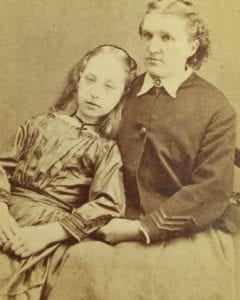
Down below is a picture of Memento Mori, which is when the dead is propped up for a photo with a family member one last time. Sometimes they actually painted onto the eyes pupils to make them seem more alive, a lot of the time you would see family members gather up for the photo. What was really common was this was usually meant for children and babies.


The Black Death

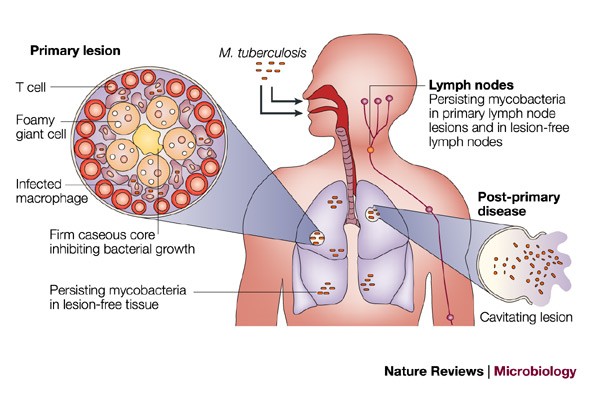
This is a plague doctor, who was usually trying out new cures to heal the infected. They believed wearing this whole heap of leather would protect them from getting sick from the plague. Inside of their beak was a bunch of herbs which was also believed to have helped them from not getting sick.



Health , culture, death and coping with loss.

Hello readers,

What is your culture?   Evidence 
What is your culture? My culture is Filipino/Maori

Funeral practices and burial customs in the Philippines - WikipediaHere's what traditional funerals are like in the Philippines | Metro NewsDeath and Dying: A Filipino American Perspective | Diverse Elders Coalition

What happens in your culture when someone passes away? When a person passes away, this is what happens is that pasiyam or pagsisiyam, which happens is when the mourners offer prayers such as the rosary for the Dead for nine days . 

We got to the marae and we pray for their body. Sing Maori songs and tell loved stories about them. After that usually we would have a hangi and then bury them in the cemetery next to our loved ones.

Before the end of life celebration the family does a few prayers.

For the burial/funeral/tangi/celebration in my culture we…. 

Do several things in both, sometimes we pray and listen to our elders speak up. Other times we sing songs and tell the stories we remember about them.


What are some important processes/things that occur when a person passes away? A few important things about death in my culture are….

We use the rosary to pray for them, we usually get close to the casket to say our goodbyes. We comfort someone who is crying, and we believe that if we stay with them for a little longer it will help them be sent up to heaven.
(Discuss things such as processes/rules/customs/beliefs)

What is something you think is interesting or important to teach others about your culture regarding death, dying and the afterlife? Within my culture, there are many important aspects that I believe are important for others to know about  when it comes to death, dying and the afterlife. These are the Pasiyam, because I wasn’t there to witness all of the things my family did when my tatai (dad, but not my dad) he was my grandad and he died. We called him TaTai because my father used to hear everybody in the house back in the Philippines call him Tatai so he began calling him that too and told us to call him that too.

For the Maori culture sometimes we give up offerings like things they loved in life, money, often visits and praying. Sometimes we’d tell them the things happening in life and that we miss them, every time there is a new addition to the family we take them there to visit their family.

What are 5 strategies that a person could implement that may help them get through the loss? How will this enhance their hauora? There are a number of strategies that a person can implement to help them get through coping with the loss of someone important to them. Five strategies that I suggest are praying, asking for comfort, meditating, connecting to family roots and reading the bible.

This will enhance their hauora in all of the walls. Taha Wairua – Spiritual when you pray and read the Bible to connect to your spiritualists.

Taha whanau – Social. Comfort from family members.

Taha Wairua – Spiritual. Connecting to family roots.

It strengthens your walls. Don’t let death ruin your mindset, try to cope nothing is bad foreve